
Home security is one of the most important responsibilities of homeownership, yet many people overlook the fundamental role that locks and professional locksmith services play in protecting their property and loved ones. Whether you've just moved into a new home in Carteret, NJ, or have lived in your residence for years, understanding locksmith safety tips can make the difference between a secure home and a vulnerable one. From knowing when to change your locks to avoiding common scams, these essential tips will help you make informed decisions about your home's security. At Carteret NJ Locksmith, located at 15 Lexington Ave, Carteret, NJ 07008, we've helped countless homeowners throughout the area strengthen their security, and we're sharing our professional insights to help you protect what matters most.
Change Your Locks When Moving Into a New Home
One of the most critical yet frequently overlooked security measures is changing your locks immediately after moving into a new home. Many homeowners assume that receiving keys from the previous owner means they have exclusive access to their property, but this assumption can leave you vulnerable to unauthorized entry.
When you purchase or rent a home, you have no way of knowing how many copies of the keys exist. Previous owners may have given keys to neighbors, contractors, housekeepers, dog walkers, or family members who may still have them in their possession. Even if the previous occupants had good intentions, those keys could have been lost or fallen into the wrong hands over the years.
Changing your locks should be among the first tasks you complete when moving in, ideally before you even move your belongings into the home. This simple step ensures that you and those you trust are the only people with access to your property. Consider upgrading to high-security locks during this process, as many older homes in Carteret still have builder-grade locks that offer minimal protection against break-ins.
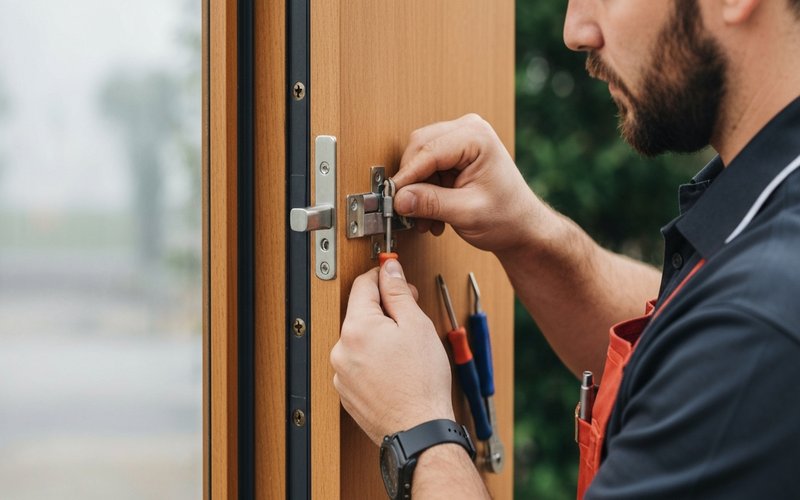
For rental properties, communicate with your landlord about changing locks between tenants. Responsible property owners should make this a standard practice, but if they don't, you may be able to arrange the lock change yourself with permission and potentially deduct the cost from your rent.
Regular Lock Maintenance Prevents Emergency Situations
Just like any other component of your home, locks require regular maintenance to function properly and provide maximum security. Neglecting lock maintenance can lead to inconvenient lockouts, stuck keys, and even complete lock failure at the worst possible moments.
Proper lock maintenance starts with regular cleaning. Dirt, dust, and debris accumulate inside lock mechanisms over time, causing them to stick or become difficult to operate. Use a soft brush to clean around the keyhole and exterior parts of the lock every few months. Avoid using water or harsh cleaning chemicals, as these can damage internal components and cause rust or corrosion.
Lubrication is equally important for maintaining smooth lock operation. Use a graphite-based lubricant or a specialized lock lubricant rather than oil-based products like WD-40, which can attract dirt and eventually gum up the mechanism. Insert the lubricant into the keyhole and work your key in and out several times to distribute it evenly throughout the lock cylinder.
Pay attention to how your locks feel when you use them daily. If a key becomes difficult to turn, doesn't insert smoothly, or requires jiggling to work properly, these are warning signs that maintenance or replacement may be needed. Addressing these issues promptly can prevent you from getting locked out of your home or dealing with a broken key stuck in the lock.
Inspect your locks for signs of wear, rust, or damage at least twice a year. Check that deadbolts extend fully and retract smoothly, that strike plates are securely attached to the door frame, and that there's no visible damage to the lock housing. For coastal areas of New Jersey where salt air can accelerate corrosion, more frequent inspections may be necessary.
How to Avoid Locksmith Scams
Unfortunately, the locksmith industry has its share of unscrupulous operators who take advantage of people in emergency situations. Knowing how to identify and avoid locksmith scams can save you from financial loss and potential security breaches.
One of the most common scams involves bait-and-switch pricing. A dishonest locksmith will quote a low price over the phone to get your business, then claim the job is more complicated than expected once they arrive, dramatically increasing the final bill. To avoid this, always get a detailed quote that includes service call fees, labor costs, and any potential additional charges before work begins.
Legitimate locksmiths operate from established physical locations and clearly identify their business name, address, and phone number. Be wary of services that only provide a cell phone number, use generic names like "Locksmith Services" without a specific business name, or can't provide a physical address. Carteret NJ Locksmith proudly operates from our location at 15 Lexington Ave, Carteret, NJ 07008, and we're always transparent about our identity and credentials.
Another red flag is a locksmith who arrives in an unmarked vehicle without proper signage or identification. Professional locksmiths drive clearly marked company vehicles and wear uniforms or identification badges. They should also be willing to show you their license and insurance information upon request.
Scammers often claim that locks need to be drilled or replaced when simpler, less expensive solutions would work. A skilled locksmith can pick or rekey most residential locks without causing damage. If someone immediately suggests drilling your lock without attempting other methods first, consider it a warning sign.
Before you need emergency services, research and save the contact information for a reputable local locksmith. This preparation ensures you won't make a panicked decision when locked out. Check online reviews, verify business credentials, and confirm they're properly licensed to operate in New Jersey.
Understanding When You Need Professional Locksmith Services
While some minor lock issues can be handled with basic DIY maintenance, many situations require professional locksmith expertise. Knowing when to call a professional can save you time, money, and prevent damage to your locks or doors.
Lockouts are the most obvious situation requiring professional help. Whether you've lost your keys, left them inside, or have a broken key stuck in the lock, attempting to force entry yourself can damage your lock and door, leading to more expensive repairs. Professional locksmiths have specialized tools and techniques to gain entry without causing damage.
Installing new locks or rekeying existing ones should always be handled by professionals. Improper installation can compromise your security, void manufacturer warranties, and lead to premature lock failure. When you need locks changed for security reasons or want to upgrade to high-security systems, professional installation ensures everything works correctly and provides the protection you expect.
If you're experiencing repeated problems with a lock—such as keys that frequently get stuck, locks that don't engage properly, or mechanisms that feel loose—these issues require professional diagnosis. What seems like a minor annoyance could indicate a serious security vulnerability or an underlying problem that will worsen over time.
Safe installation and servicing is another area where professional expertise is essential. Safes must be properly anchored and configured to provide real security, and attempting to open a safe with a forgotten combination without professional help can permanently damage the locking mechanism.
Security assessments are valuable services that many homeowners overlook. A professional locksmith can evaluate your home's overall security, identify vulnerabilities, and recommend cost-effective improvements. This proactive approach is far better than waiting until after a security breach to address weaknesses.
Secure All Entry Points, Not Just Your Front Door
Many homeowners focus exclusively on their front door when thinking about security, but burglars often target less obvious entry points. A comprehensive approach to home security means securing all potential access points to your property.
Back doors and side doors are common targets for break-ins because they're typically less visible to neighbors and passersby. These doors often receive less attention during security upgrades, sometimes featuring older or weaker locks than the front entrance. Ensure that every exterior door has a quality deadbolt with at least a one-inch throw and a reinforced strike plate secured with three-inch screws that reach into the door frame's stud.
Sliding glass doors present unique security challenges. The standard locks on many sliding doors provide minimal security and can be easily bypassed. Install additional security measures such as a bar in the track to prevent the door from sliding open, or upgrade to specialized sliding door locks. You can also install security film on the glass to make it more difficult to break.
Garage doors are frequently overlooked entry points that can provide easy access to your home. Many garage door openers use default or easily guessed codes, and older models may have security vulnerabilities. Change default codes to unique combinations, keep your garage door closed even when you're home, and ensure that the door connecting your garage to your house is as secure as your front door with a quality deadbolt.
Basement windows and ground-floor windows are attractive targets for burglars because they often provide easy, concealed access. Install window locks on all accessible windows, and consider adding window security film, bars, or grilles on particularly vulnerable windows. For basement windows, well-secured grates or covers add an extra layer of protection.
Don't forget about less obvious access points like pet doors, which can be used by intruders if they're large enough, or second-story windows accessible via climbing nearby trees or structures. Trim back vegetation that could provide cover for someone attempting to access your home, and consider motion-activated lighting for all entry points.
Keep Spare Keys Safe and Smart
Having a spare key accessible for emergencies is practical, but hiding keys around your property is one of the most common security mistakes homeowners make. Burglars know all the typical hiding spots, and a poorly hidden spare key essentially gives criminals an invitation into your home.
The classic hiding spots—under doormats, above door frames, in fake rocks, or under flower pots—are the first places burglars look. These locations are so commonly used that they offer virtually no security. If you currently hide a spare key in any of these spots, remove it immediately and choose a more secure alternative.
Instead of hiding keys on your property, give spare keys to trusted neighbors, family members, or friends who live nearby. This approach keeps keys accessible in emergencies while ensuring they're in secure locations. Choose someone who's usually home during the day or who you can easily contact when needed.
Key lockboxes offer a middle ground between hiding keys and giving them to others, but choose carefully. Invest in a high-quality lockbox with a secure mounting system and a combination that can't be easily guessed. Mount the lockbox in a discreet location that's not immediately visible from the street. Avoid inexpensive lockboxes that can be easily removed from their mounting or broken open.
Consider modern alternatives to physical spare keys. Smart locks with keypad entry eliminate the need for spare keys entirely, allowing you to provide access codes to trusted individuals that can be easily changed or deactivated. Some smart lock systems allow you to grant temporary access remotely, perfect for letting in service providers or guests when you're not home.
For vacation homes or rental properties, professional key management services or lockboxes designed for real estate use provide more security than traditional hiding spots. These systems often include features like access logs that track when the lockbox was opened.
Upgrade to High-Security Locks for Enhanced Protection
Standard residential locks provide a basic level of security, but high-security locks offer significantly better protection against common break-in techniques. Understanding the benefits of upgraded locks can help you make informed decisions about protecting your Carteret home.
High-security locks feature anti-pick pins, drill-resistant components, and reinforced construction that make them extremely difficult to defeat. While no lock is completely pick-proof, high-security models can take even experienced lock pickers considerable time to bypass, often causing would-be intruders to give up and move on to easier targets.
Key control is another important feature of high-security lock systems. These locks use patented key designs that can't be duplicated at typical key-cutting kiosks or hardware stores. Keys can only be copied by authorized dealers with proper identification and documentation, preventing unauthorized key duplication by former residents, contractors, or others who might have had temporary access to your keys.
Grade 1 deadbolts represent the highest security rating available for residential locks, as designated by the American National Standards Institute (ANSI). These locks undergo rigorous testing for strength, durability, and resistance to forced entry. When upgrading your locks, look for Grade 1 certification to ensure you're getting the highest level of mechanical security.
Smart locks combine convenience with security, offering features like remote access, entry logs, and temporary access codes for guests or service providers. However, ensure that any smart lock you choose also maintains strong mechanical security—the electronic features should enhance rather than replace traditional lock security. Look for smart locks that meet Grade 1 standards and include backup mechanical key access in case of power or connectivity issues.
Consider the entire door assembly when upgrading locks. Even the best locks provide limited security if installed in a weak door or frame. Reinforce door frames with steel strike plates secured with three-inch screws, ensure solid-core exterior doors, and address any gaps or weaknesses around the door that could be exploited.
Understanding Locksmith Costs and Services
Knowing what to expect regarding locksmith costs helps you budget for services and identify unreasonable pricing that might indicate a scam. Several factors influence locksmith pricing, and understanding these can help you make informed decisions.
Standard locksmith service calls in New Jersey typically range from $75 to $150, depending on the time of day, day of the week, and distance traveled. Emergency services during nights, weekends, or holidays usually carry higher rates due to the immediate response required. Some locksmiths charge a separate call-out fee in addition to labor and parts, while others include the service call in their base rate.
Hourly rates for locksmith services in New Jersey generally fall between $50 and $100 per hour for standard services during business hours. However, many locksmiths charge by the job rather than hourly, which can be more cost-effective for straightforward services like rekeying or lock replacement.
Rekeying locks is typically more affordable than replacing them entirely, with costs ranging from $20 to $50 per lock cylinder. This service changes the internal pins so old keys no longer work while allowing you to keep your existing hardware. If you need multiple locks rekeyed to work with the same key, the per-lock cost often decreases.
Lock replacement costs vary widely depending on the type and quality of locks installed. Basic residential locks might cost $50 to $100 including installation, while high-security locks can range from $150 to $400 or more per lock. When comparing prices, consider the total cost including hardware and installation rather than just the lock price alone.
Going to a locksmith shop is typically cheaper than having a locksmith come to your location, as you're not paying for a service call or travel time. If you're simply getting keys duplicated or picking up hardware, visiting the shop can save money. However, for installations, rekeying, or lockouts, on-site service is necessary.
Comparing locksmith costs to automotive dealerships for car key replacement shows significant savings with locksmiths. Dealerships often charge premium prices for key replacement and programming, sometimes 50-100% more than professional automotive locksmiths who provide the same services with the same quality equipment.
Handyman services for simple lock replacement might cost $50 to $75 for labor, but remember that handymen typically aren't specialized in lock installation and may not provide the same level of security expertise as professional locksmiths. For basic lock swaps on standard doors, a handyman might suffice, but for security-critical installations or complex situations, professional locksmith services ensure proper installation and function.
Frequently Asked Questions
How much does a locksmith cost per hour? Locksmith hourly rates typically range from $50 to $100 per hour for standard services during normal business hours. Emergency services, evening, weekend, or holiday calls usually command higher rates, sometimes $100 to $150 per hour or more. However, many locksmiths charge flat rates for specific services rather than hourly fees, which can be more economical for standard jobs.
How much does a locksmith cost in NJ? In New Jersey, expect to pay $75 to $150 for a standard service call, with additional costs for labor, parts, and materials. Simple services like rekeying might cost $20 to $50 per lock, while lock replacements range from $50 for basic locks to $400 or more for high-security systems. Emergency services typically cost more, and prices can vary based on your specific location within the state.
What locks can locksmiths not open? While professional locksmiths can open the vast majority of locks, some high-security locks, electronic safes with time delays, and certain proprietary systems can pose significant challenges